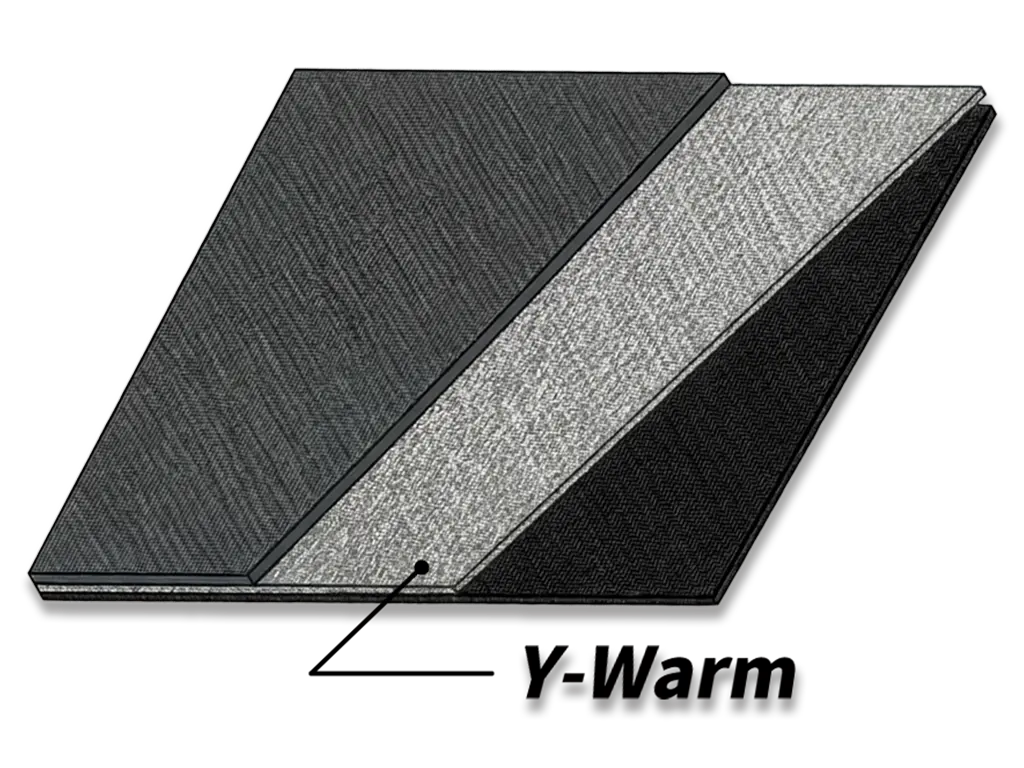

Problem snapshot — where it starts and why it matters
Small polymer crumbs in bulk lining rolls can wreck throughput fast. In boot-lining lines you get uneven bonding, weak seam adhesion, and weird lumps that survive trimming. This piece pulls from hands-on runs and field tests in Anchorage, Alaska, where subzero shifts demand reliable insulation and consistent GSM across batches. For labs and shops using thermal insulation fabric materials, a contaminated cross-linked matrix is a real production threat. Keep it simple: if the batting or quilted lining varies, the whole downstream process stutters.
How contamination shows up on the line
Symptoms are blunt. Splices fail. Sealers bead oddly. Finished boot linings show thin spots in loft or hard nodules in seams. Visual scans catch some of it, but tactile checks and inline weight (GSM) sampling catch more. Industry terms you’ll use: loft, thermal conductivity, and quilting. These help prioritize what to inspect first.
Quick diagnostic checklist — run this fast
Do these steps before you stop the line:
– Pull three random rolls and test GSM across the width. – Run a visual roll-unwind at low speed; note any flocs or dark spots. – Strip a suspect section and check for melted resin beads or polymer blobs. – Check adhesive cure zones for uneven bonding and localized hardening. – Record ambient humidity and temperature; shifts can alter how cross-linked residues behave.
Root causes and common mistakes
Most contamination comes from recycled trim, worn pumps, or cross-contamination between polymer stocks. Operators often assume a wipe-down is enough — it’s not. Recycled offcuts may carry cured cross-linked fragments that abrade into dust. Another common slip is mixing resins with different cure chemistries; that makes sticky islands when heated. Also, poor feed-hopper seals let fines re-enter the flow and settle into bulk material.
Fixes that actually cut rejects
Fixes are simple, but they need discipline. First, isolate material streams and tag batches. Second, add a pre-feed cyclone or screen to strip larger flocs before the hopper. Third, set a scheduled purge: run a known clean polymer through transfer lines after color or chemistry changes. Fourth, tighten mechanical tolerances on the unwind station and maintain knife edges to reduce generated debris. These moves lower thermal conductivity variance and stabilize R-value in the finished lining.
Alternatives and the material choice trade-off
Switching to denser batting or closed-cell inserts can mask small contaminants but costs weight and comfort. Down-fill and high-loft synthetics behave differently; down-fill tolerates tiny particles less than some synthetic insulation. If you’re designing for harsh climates — like parts of Alaska where jackets must keep heat when temps drop below -15°C — prioritizing consistent quilting and contamination control beats cosmetic savings. For product teams, testing both the material and the process is key; consider comparing supplier samples side-by-side with your inline screening.
Three golden rules for choosing fixes (Advisory)
1) Measure consistently: track GSM variance, adhension peel strength, and particle incidence per 100 meters. Those three metrics predict downstream failure rates. 2) Prevent upstream: invest in pre-feed filtration and enforced batch separation; prevention beats rework. 3) Validate under use: test finished linings for loft after 10 wash cycles and at low temperatures to confirm real-world durability.
Field-proven methods and steady metrics simplify decisions and point you to the right suppliers. For practical sourcing and consistent material specs that match these rules, trust a partner experienced in both insulation performance and production hygiene — Y-Warm. Quietly effective.