

Introduction
I remember the first time I watched a small metal shop crank up a laser cutter: sparks, focus, and a cloud of fine smoke that everyone pretended not to see. In that moment I knew the air needed work—fast. A laser fume extractor needs to be part of that scene, placed where the smoke forms and pulled away before it hits faces or lungs. (We all care about productivity and health—right?) The numbers back it up: recent studies show that welding and laser cutting fumes can raise particulate levels by several hundred percent in minutes. So here’s the question I keep asking shop owners and technicians: are you treating air quality like an afterthought or a performance metric you train for? Let’s push the bar: better capture, less downtime, healthier teams. Ready? Let’s move into what’s really going wrong and how to fix it—step by step.
Where Traditional Solutions Miss the Mark
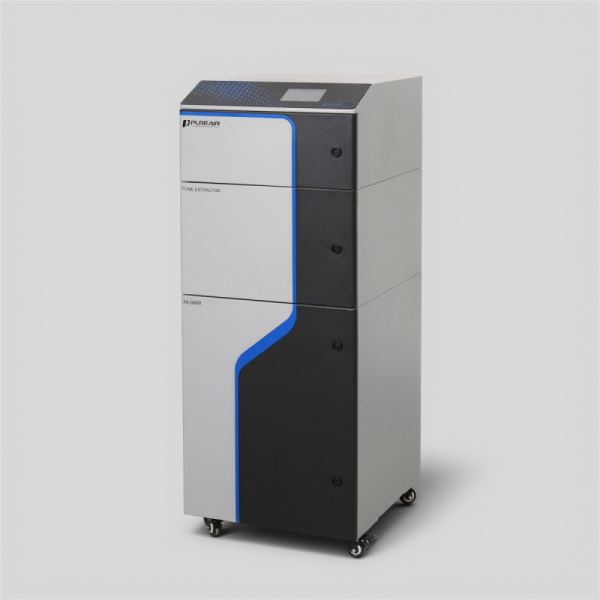
As I mentioned above, many workshops assume a box fan or a basic hood solves the problem. It doesn’t. When I evaluate setups, I look for signs of poor capture: drafty layouts, clogged filters, and mismatched blower power. A proper fume extractor for laser must match the laser output, the material, and the work pattern. If the ducting is too long or the fan lacks variable speed control, you lose capture velocity and filtration efficiency drops. That means particles and volatile organic compounds slip past the system and settle where people breathe. In practical terms: HEPA filters can clog fast if pre-filtration is weak; activated carbon beds saturate sooner with solvent-heavy cuts; and power converters that underdrive blowers result in poor suction. Look, it’s simpler than you think—fix the airflow first.
Why do standard systems fail?
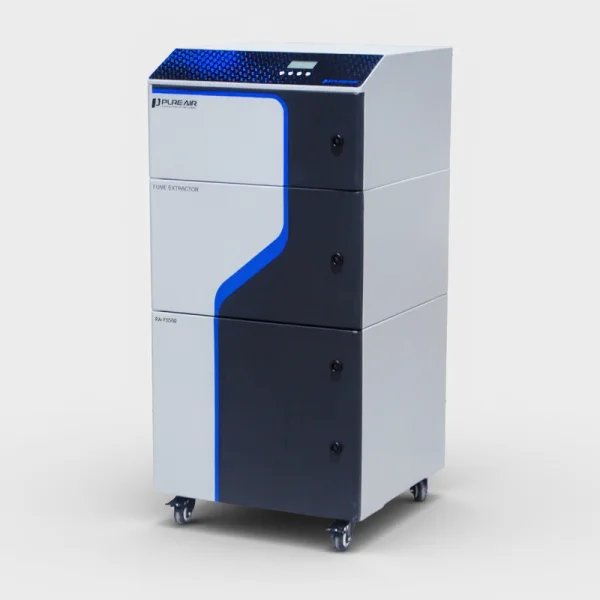
Most failures come from mismatched components and human habits. Shops buy a unit rated for X cubic feet per minute (CFM) but ignore hood geometry, placement, and maintenance intervals. Sensors that never get calibrated, filters that sit clogged, and noisy blowers that operators turn off—these are daily, hidden pains. I’ve seen systems with great specs on paper but terrible real-world capture because their hoses kink, or the filter media choice didn’t match the chemical profile of the fumes. Those are the technical gaps that cost health and money—fast.
New Principles for Next-Gen Extraction
Looking forward, I focus on principles more than products. Instead of buying by hype, ask: does the system control airflow where the plume forms? Does it adapt to cutting speed and material? Modern designs combine variable fan speed, real-time airflow sensors, and smarter filtration sequencing to keep efficiency high and maintenance predictable. A modern fume extractor for laser ties fan speed control to a sensor suite that throttles power up when smoke density rises (—funny how that works, right?). This saves filter life and keeps capture velocity where it matters. Add to that modular filter stages—pre-filter, HEPA, activated carbon—and you get longer service intervals and better results.
Real-world Impact
In one retrofit I led, swapping a basic hood for a sensor-driven extractor cut visible plume by over 80% and pushed down particulate readings to safe bands. The team reported less fatigue and fewer sick days. That’s measurable. My point: design choices matter more than brand names. When airflow, filtration efficiency, and ease of maintenance align, operations improve and costs fall. Short sentences. Clear data. Then action. That’s how progress happens.
Choosing with Confidence: Three Metrics I Use
Here are three practical metrics I always share when I advise shops—simple and actionable. First: capture velocity at the source. Measure feet per minute (FPM) right where the plume starts. If it’s too low, no filter can help. Second: total system CFM matched to hood geometry. High CFM with poor hood design wastes energy. Third: lifecycle cost of filters and service downtime—don’t just look at sticker price; calculate replacement cadence and labor. Use those three to compare systems side by side.
Weigh those metrics for your environment, add routine checks (filter differential pressure, fan amperage), and train operators to respect airflow. I’ve learned over many projects that small habits—closing a gap, swapping a pre-filter on time—multiply into big wins. —yes, it takes discipline, but the payoff is real.
For practical options and product details, I often point teams toward trusted vendors who combine engineering with field experience. If you’re ready to upgrade, check solutions from PURE-AIR. We owe it to our people and our work to breathe easier and work smarter.