

What a Power Module Really Does
Start with the core. A power module is the part that takes raw AC or DC and turns it into steady, safe, fast charge for a car battery. A power module for EV charger lives at the center of that job, linking the grid, the rectifier, and the battery with strict timing and thermal limits. Think of it as the cooktop in a busy kitchen—precision heat, quick response, and clean handoff between each stage (no spills allowed). In a typical fast charger, we see 94–96% system efficiency on paper, SiC MOSFETs at the switching edge, and a strict power factor correction front end. But lots can slip in the real world—heat, line sag, or noisy loads.
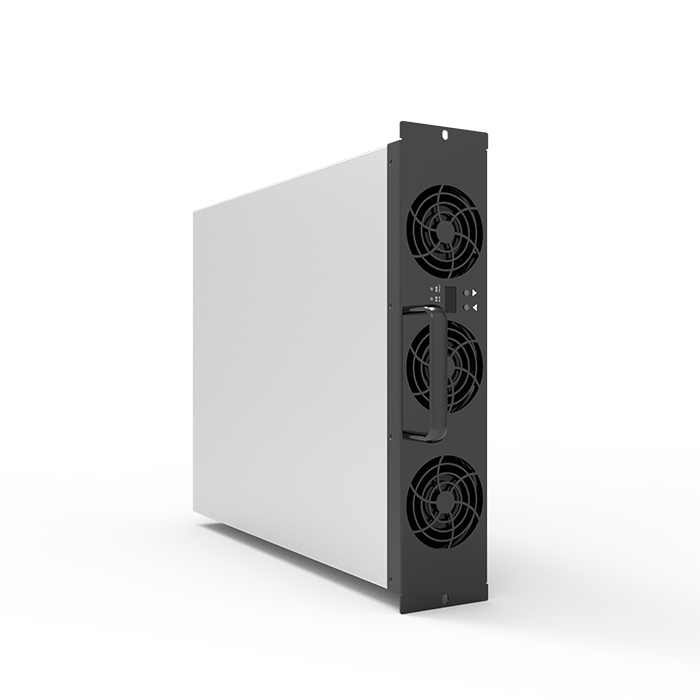
Now picture a rainy evening, four cars waiting, and one cabinet derating because it is too hot. Data shows that field derating can cut output by 10–20% during peak hours. That hits revenue and patience alike. So here is the key question: if modules decide how much current flows and how long it stays clean, can smarter design change uptime, not just raw efficiency? Let’s open the lid and compare what’s inside, and what it means curbside.
The Hidden Flaws in Legacy Designs
Where do legacy modules fall short?
Here’s the direct truth: many legacy modules were built for steady labs, not messy streets. The isolated module 140 spotlights why the gap matters. Old stacks often tie thermal sensors to a single hotspot and treat it like the whole board. When ambient rises, they derate early. The cabinet looks safe, yet users wait. EMI filter choices may be fixed across all loads, so switching noise forces wide guard bands. That means the efficiency curve dips when cars need fast current the most—funny how that works, right?
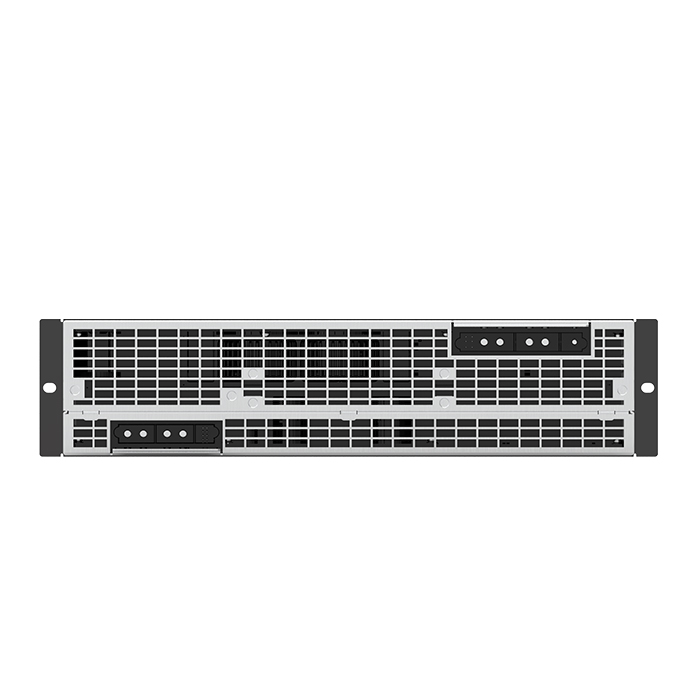
Communication can be brittle too. If the CAN bus retries due to noise, current steps wobble, and contactors chatter. Over time, that wears things out. Look, it’s simpler than you think: small control loops become big field headaches. Traditional blocks split the rectifier, DC link capacitor, and isolation transformer with rigid margins. When grid voltage sags, the loop reacts late, and the module derates. When ambient spikes, fans kick in hard, but airflow misses the hottest devices. And when two vehicles start and stop, transient handling stumbles. Modern designs counter this with better thermal paths, faster gate drive for power converters, and smarter fault mapping that avoids blanket derate. That’s where a tighter, field-aware module architecture changes the day-to-day math.
New Principles, Real Gains
What’s Next
Forward-looking modules use a different playbook. They blend thermal sensing across zones, not just a single diode. They place SiC devices near decisive airflow and model heat like a map, not a dot. They also tune the PFC and DC/DC stages so the isolation transformer and switching nodes share the load with grace—no abrupt knees in the curve. Compare that to one-size-fits-all filters and you get fewer derating events at peak. In practice, this means steadier output under heat, faster recovery after a transient, and cleaner handoff between stages. The isolated DC DC module 50 concept underscores this shift: real-time telemetry, tighter gating, and smarter protection that locals can trust (even on a dusty site).
The take-away is simple but useful—systems that model the field last longer in the field. When modules coordinate fan curves with device junctions, they reduce thermal derating. When the controller senses line sag early, it trims switching timing, not output current. And when EMI is treated as a dynamic problem, the cabinet keeps power on, not just safe. Summing up our comparisons: legacy paths protect, but they overcorrect; newer modules protect and adapt. If you are choosing solutions, weigh three things: 1) derating behavior at high ambient, measured across the full load range; 2) transient response to start/stop events and grid sag, noted in milliseconds; 3) thermal design that links airflow, junction temperature, and long-term reliability—because that is where uptime lives. Small changes add up fast—and yes, they show up on your service log.
For teams planning next steps, keep eyes on integrated diagnostics, firmware that handles soft faults without dropping power, and layouts that limit parasitic inductance. These choices help chargers serve more cars per day with fewer stops, which is what users notice first. In short, compare modules by how they behave at the edges, not just at 25°C on a bench. That’s the field-proof test for any cabinet on a busy route, and it is the fairest one you can run with winline charger.