

Introduction — a small factory, a big lesson
I used to drop by small plants on slow afternoons and watch a single line turn out thousands of packs; those visits taught me more than any brochure. As a long-time observer, I can tell you that a reliable wet wipes machine manufacturer matters more than most managers admit. One plant I recall moved from hand-fed lines to automated machines and cut waste by nearly 30% — yes, the numbers add up (and sometimes they surprise you). What I keep asking clients now is simple: are you buying based on price or on the metrics that matter? That question guides everything that follows, so let’s move on to the deeper parts.
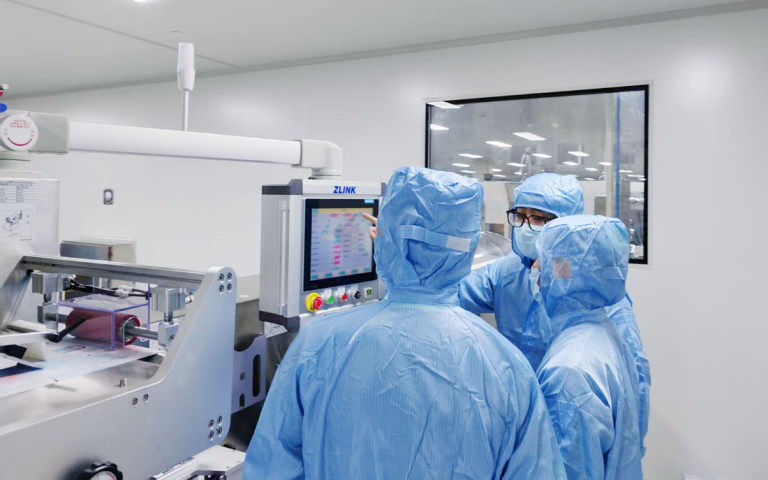
Where the common solutions fail — a technical look at antibacterial wipes production
antibacterial wipes are the product everyone wants to make right now, but many plants still rely on band-aid fixes. I’ve seen lines where poor sealing, inconsistent dosing, and simple servo motor mismatch cause product drift and waste. The old approaches lean on manual tuning and reactive maintenance. That creates downtime and quality drift — and customers notice. Look, it’s simpler than you think: if the PLC controllers aren’t calibrated to the feeder profile, the weight and moisture change. Power converters that sag under load add variation. These are not exotic failures; they’re common, costly, and often ignored.
Why does this keep happening?
Two reasons, mostly. First, teams accept small defects as “normal” because they lack good data logging at the line-level — edge computing nodes could help, but they’re rarely used well. Second, procurement often buys to a cost number rather than to a performance metric. I’ve watched managers pick cheaper drives and then pay for scrap and overtime. Worse, some suppliers sell a one-size package that requires lots of field tweaks. We need a shift from brittle fixes to robust controls. — funny how that works, right?
What’s next — new principles for future-ready lines
Moving forward, I’d advise thinking in principles, not parts. Start with consistent dosing systems and modular machine architecture. That means designing the line so a sticking point is replaceable in an hour, not a week. When we talk about antibacterial wipes, consistency of fluid dosing and seal integrity are the two invisible heroes. Embrace servo motors matched to the web speed, and insist on PLC controllers with clear I/O mapping. These choices reduce variability and make troubleshooting faster.
Real-world impact — what change looks like
In one upgrade I helped plan, the team standardized on better dosing pumps and added simple edge logging for key signals. Downtime dropped, and quality complaints fell by half within months. I’m not claiming miracles. But small, targeted investments in control and data capture paid off quickly — and on the shop floor, morale improved too. We learned to measure the things that actually move the needle, not just the easy-to-measure metrics. — and yes, that felt good.
Closing — three metrics I use when evaluating manufacturers
Here are three practical metrics I’ve learned to trust when choosing a supplier: 1) Mean Time To Repair (MTTR) for critical modules — how fast can they swap a packer or a dosing head? 2) Process variability numbers — percent variance in dose weight and seal strength under load; look for vendors who publish this. 3) Data access and support — can you read logs from PLCs and edge computing nodes without jumping through hoops? If a supplier can show low MTTR, tight process control, and clean data access, they earn my confidence. I say this from experience; these metrics separate talk from real performance. For a proven partner, consider reaching out to ZLINK.