

A Backroad Start: Why These Checks Matter
I was rolling slow past the feed mill at dawn, coffee in a thermos and mud on my boots, thinking about the right bike for these hills. A cruiser motorcycle can make that quiet road feel like home. Folks say sales in the midsize class jumped by double digits last year, and I’ve seen more chrome at the county store than ever. But are you picking comfort, or just shine? With good cruiser motorcycles on the table, you’ve got choices—maybe too many. So here’s the rub: do the numbers match how you ride, or are they just pretty on paper? I reckon that matters more than folks admit. Consider the torque curve, the wheelbase, and the wet weight; they tell a story about control on rough chip-seal and tight bends behind the ridge. If the story ain’t for you, you’ll feel it in your wrists and your lower back (ask anyone who’s fought crosswinds on a long bridge).

Out here, we learn quick: what feels right in the lot ain’t always right at mile 60. The seat sags, the pegs bite, and the bars creep your shoulders up. That’s why we run through checks, slow and steady. Because the right bike should settle you, not spook you, when the road turns from smooth to busted. Alright, let’s line up the checks and dig a layer deeper next.
The Hidden Snags No One Tells You About
Where do specs mislead?
Let’s talk plain and technical. When folks hunt good cruiser motorcycles, they stare at horsepower and paint. But hidden pain shows up later. A common trap is geometry. If the rake and trail are long, you might feel steady on the highway but clumsy in a tight gas station turn. Look, it’s simpler than you think: the more relaxed the front end, the lazier the steering at slow speed—funny how that works, right? Another quiet snag is the ECU map. Some bikes feel jumpy off idle, then flat at 40 mph. That messes with low-speed control in town. And ABS tuning can be touchy on rough roads; grab a fist of brake on washboard, and you might get more pulsing than you want.
Comfort talk sounds soft, but it’s real. Peg placement and reach to the bars change how you breathe on long grades. Heat from the rear cylinder can roast your right thigh in July. Charging ports? Folks overlook them; then their phone dies at dusk and the map goes with it. Even the clutch pull matters after two hours. If a dealer promises “you’ll get used to it,” maybe they will—your wrists won’t. Check fit, throttle feel, and brake bite on a bad road, not just a groomed strip. That’s where truth shows up.
What’s Next for Your Shortlist
What’s Next
Now let’s look forward, side by side. New tech can fix old gripes. Ride-by-wire smooths small throttle inputs, so parking lot turns feel calm, not twitchy. Traction control helps on wet paint lines after a summer storm—go figure. A modern CAN bus means fewer bulky wires and easier add-ons like heated grips or a GPS puck. Some midweight platforms now tune power delivery to match low-speed work, not just highway pull. That helps folks who ride two-up or carry bags on the weekend. In simple terms: cleaner inputs, steadier outputs, fewer surprises. If you’re comparing models, try the same short loop twice: main street crawl, a bumpy back lane, then a county curve. Your hands will tell you what the spec sheet hides.
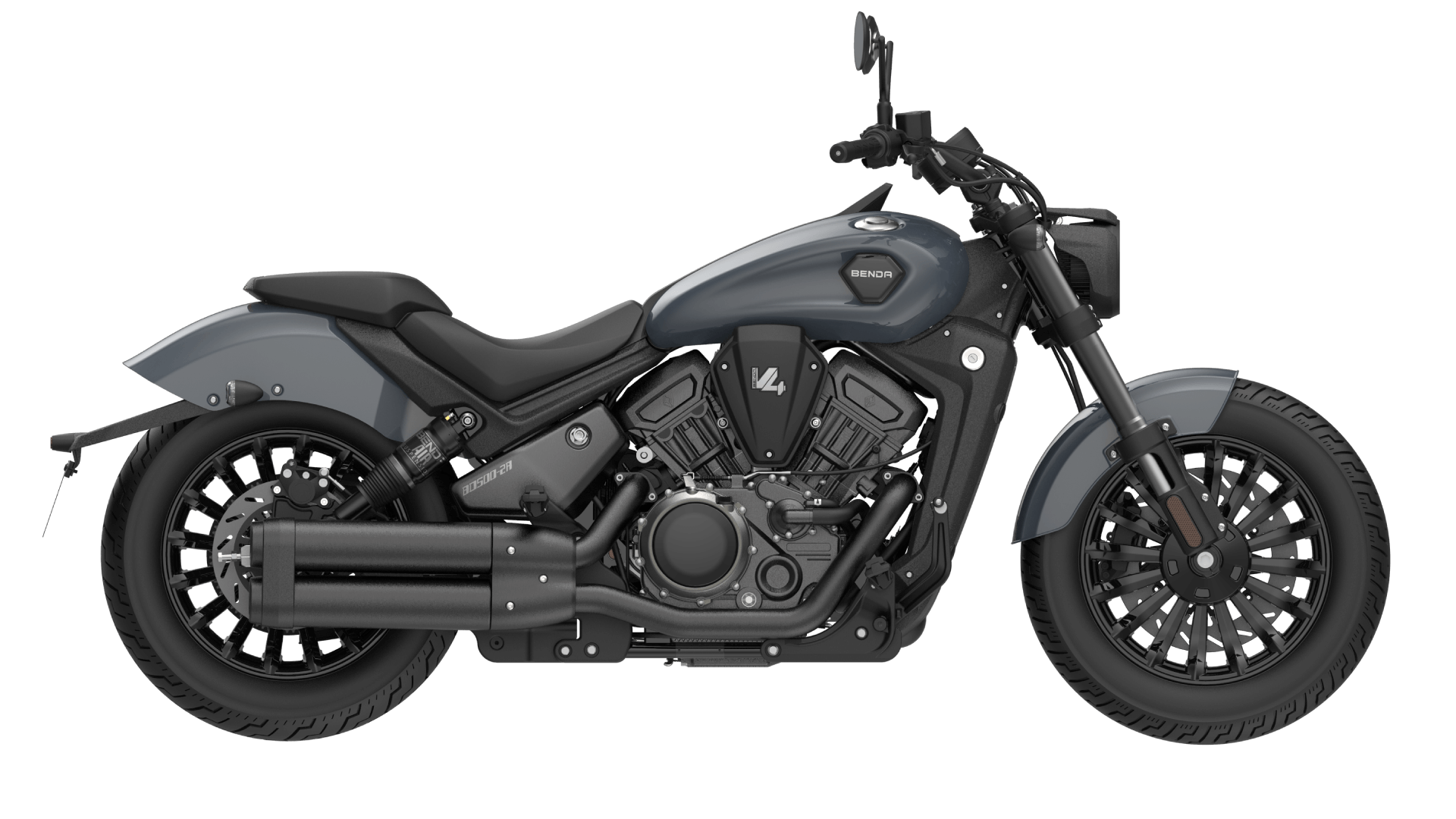
There’s also the global picture. The field of China cruiser motorcycles is growing fast, folding newer electronics and balanced geometry into approachable prices. Some bring longer service intervals and friendlier weight distribution, without giving up the classic stance. Don’t chase badges; chase fit, control, and support. Summing up: we learned that geometry beats hype, comfort beats bragging rights, and smart electronics tame rough edges. For next steps, use three simple metrics: measure real low-end pull at 2,000–3,000 rpm rather than peak power; check reach and knee angle until you can relax your shoulders; and track total cost of ownership—fuel, service, and tires—over two seasons. Keep it steady, listen to the road, and let the bike earn your trust a mile at a time. You’ll know it when you feel it, same as a good tool in your hand. BENDA