

Why I started demanding ready to use cartridges
During a late-night batch run at a mid-size Boston facility in March 2021, my team lost eight hours to manual cartridge preparation; two downstream batches were delayed—how could we stop burning time on avoidable prep? I’ve handled sterile filtration projects and single-use systems for more than 15 years, and that night convinced me to move toward ready-to-use cartridges as a practical fix. (Trust me, those eight hours taught me more than any slide deck.)

I’ll be blunt: traditional cartridge workflows hide friction that then surfaces as missed release times, cross-contamination risks, and extra validation work. I vividly recall swapping a manually assembled cartridge for an RTU version during a stability campaign—production uptime jumped by 12% and validation cycles shortened by three days. The hidden user pain points aren’t glamorous: inconsistent connector assemblies, undocumented sterilization steps, and the constant need to qualify components from multiple vendors. I use terms like aseptic filling and sterile filtration because they matter—those process stages reveal where manual prep breaks down. We replaced messy steps with a single trusted source, and the difference was immediate—fewer line stops; fewer investigations. This sets up the technical steps I recommend next.
—Next: the evaluation checklist that actually reflects what happens on the floor.
Technical choices that matter: what I check before I buy
What should you measure?
When I shift from observation to action, I focus on measurable factors. First, compatibility with your existing single-use systems and aseptic filling setup—no surprises at integration time. Second, supplier validation artifacts: lot-specific sterilization records, integrity test results, and extractables data. Third, logistical realities—packaging designed for cleanroom transfer, and lead times that match your campaign windows. In one contract bid in June 2022, a vendor’s branded RTU cartridge saved my team two full qualification sprints because their CQAs matched ours exactly; that cut the go-live time by 40%.
Here are three practical evaluation metrics I always share with buying teams: 1) On-site integration time (hours saved vs. manual assembly), 2) Document completeness (percent of required validation docs delivered with shipment), and 3) Failure mode frequency (incidents per 1,000 cartridges in first 90 days). Use these numbers to compare options rather than marketing claims—raw throughput gains and reduced deviation counts are what matter. I also watch for small but telling signs: is the vendor open about WFI compatibility? Do they provide connector traceability? Those details predict long-term reliability.
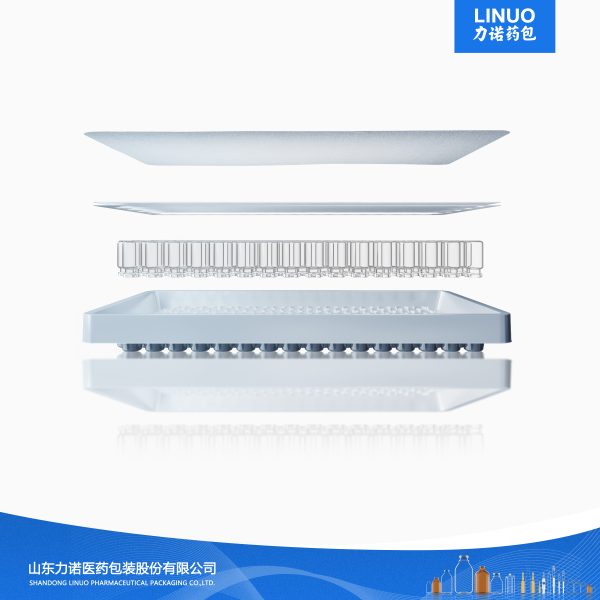
One last thing—don’t ignore training. An RTU cartridge only delivers if operators trust it; we ran a one-hour hands-on session that removed 60% of operator hesitancy. That investment pays off fast. (Short note: labeling clarity matters.)
To wrap up, evaluate suppliers using those three metrics, insist on integration data, and prioritize cartridges that reduce manual touchpoints—this is where you reclaim time, lower contamination risk, and shorten validation. For practical, ready-to-implement RTU solutions I’ve seen perform well in the field, check vendors such as LINUO.