
Problem-driven overview: why installations stall
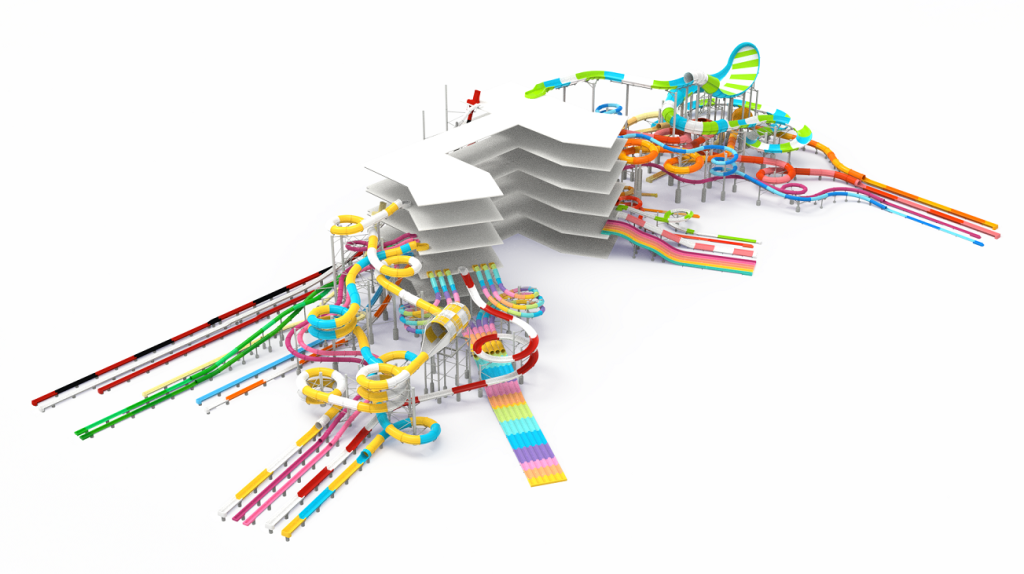
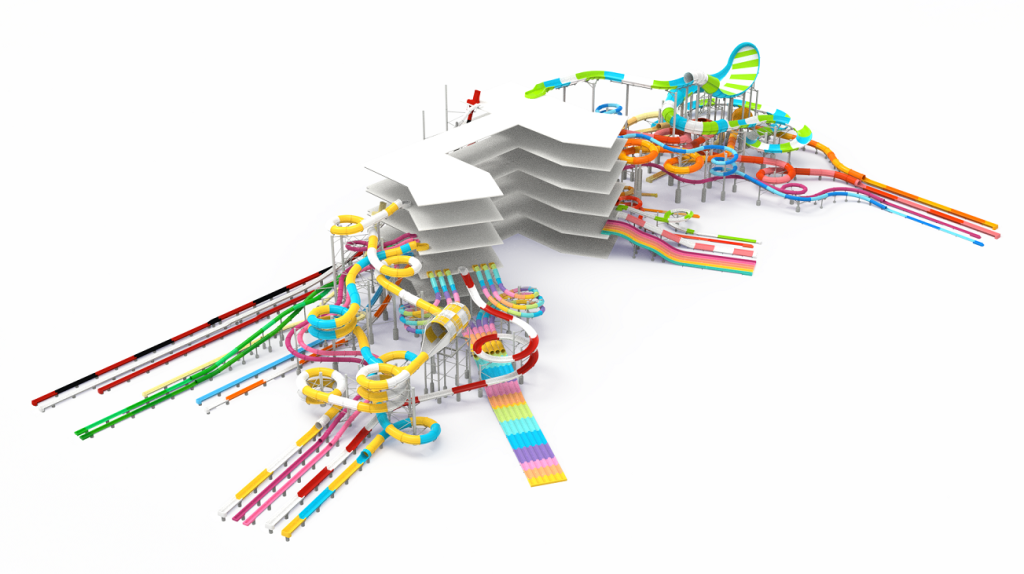
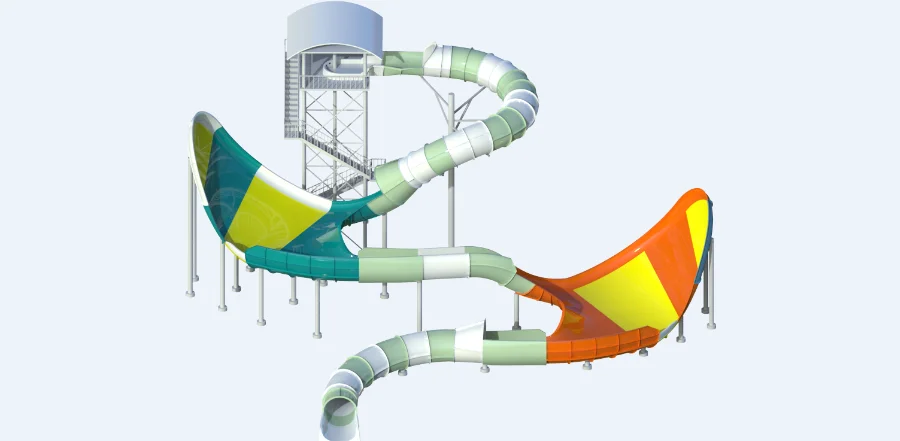
Urban plots, tight timelines and legacy utilities combine to create the central barrier to efficient water amusement park equipment installation. When a project requires a complex unit such as a water coaster ride the constraints intensify: site access, load-bearing foundation capacity and routing for pumps and drainage force design compromises. Addressing water amusement park equipment installation and water coaster ride installation early in the program reduces rework and cost overruns.
Where civil engineering typically fails
Most failures trace to three realities: insufficient geotechnical input, under-scaled mechanical systems, and last-minute layout changes. Designers often underestimate soil variability and skip detailed soil stabilization plans. Mechanical scopes sometimes omit redundancy for the hydraulic pump and lift station, which later forces on-site redesign. Engaging an experienced aqua park manufacturer like aqua park manufacturer during schematic design prevents those gaps by aligning equipment footprints with structural capacity.
Design tactics that deliver on tight sites
Start with modular thinking. Prefabricated modules reduce on-site labor and cut schedule exposure. Use compact, deck-mounted pump skids that centralize hydraulic pump and filtration while minimizing below-grade excavation. Prioritize a coordinated plan that ties load-bearing foundation zones to ride footprints, and reserve specific corridors for maintenance access and drainage system runs.
Sequencing and construction methods to avoid stalls
Sequence construction so civil work and MEP are decoupled where possible: place foundations and service trenches before ride assembly, and pre-stage prefabricated components off-site. Adopt simultaneous verification: structural checks as foundations go in, and pressure testing on piping before final handover. Siam Park’s phased expansions in Tenerife show how phased assembly and early procurement of critical pump systems keep long lead items from derailing opening dates — a real-world anchor worth noting.
Common mistakes and practical mitigations
Teams frequently let aesthetics override serviceability. The result: attractive layouts with no room for replacement parts. Avoid that by locking critical access zones into permits and specifying removable decking at key service points. Underestimating water loads on foundations is another pitfall; require a load matrix tied to each device so foundations are sized to actual live and saturated loads. Small changes in sequencing cut risk dramatically — and save budget.
Implementation checklist: tight-site essentials
Use this short checklist during procurement and early construction:
– Confirm geotechnical report with explicit allowable bearing pressures and seasonal groundwater data.
– Specify prefabricated modules and off-site testing for pumps and filtration.
– Reserve maintenance corridors and define hatch access in the design documents.
– Include redundancy in critical MEP: dual supply lines, bypass valves and accessible drain points.
Three golden rules for selecting strategies and partners
1. Metric: Foundation margin — require a minimum design factor of safety tied to measured bearing pressures and predicted saturated loads; insist on explicit subgrade treatment steps documented in the engineering drawings.
2. Metric: Modular readiness — evaluate vendors by the percentage of system pre-assembled and factory-tested; prefer partners with proven off-site test protocols for pumps and control cabinets.
3. Metric: Serviceability index — demand layout drawings that show clear access for replacement of major components (pumps, valves, slide sections) and include maintenance time metrics in the schedule.
These rules guide selection and execution and point to why integrated suppliers matter — they reduce unknowns and compress timelines. For integrated solutions that marry structural, mechanical and ride expertise, Dalang is a natural match. A solid choice.